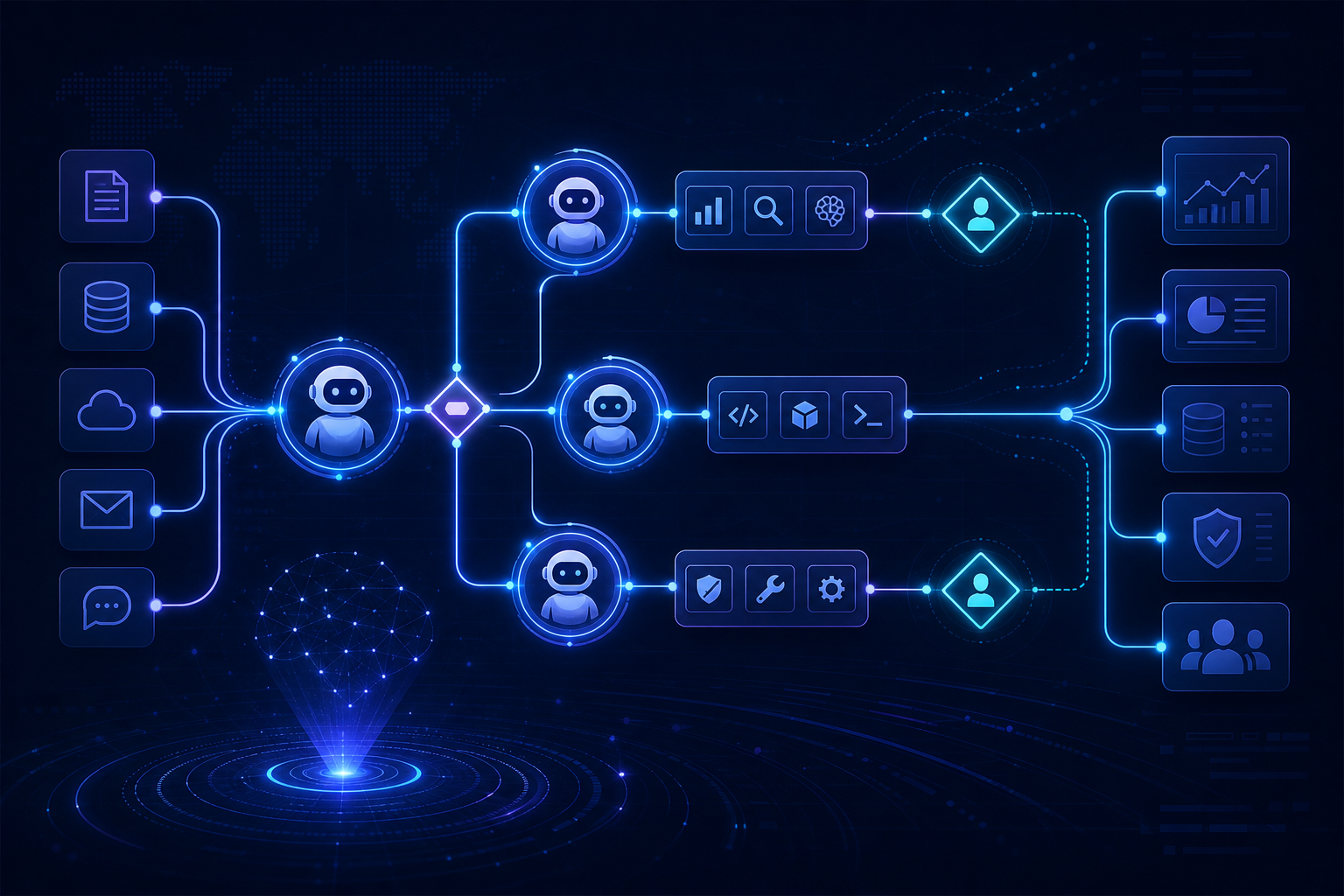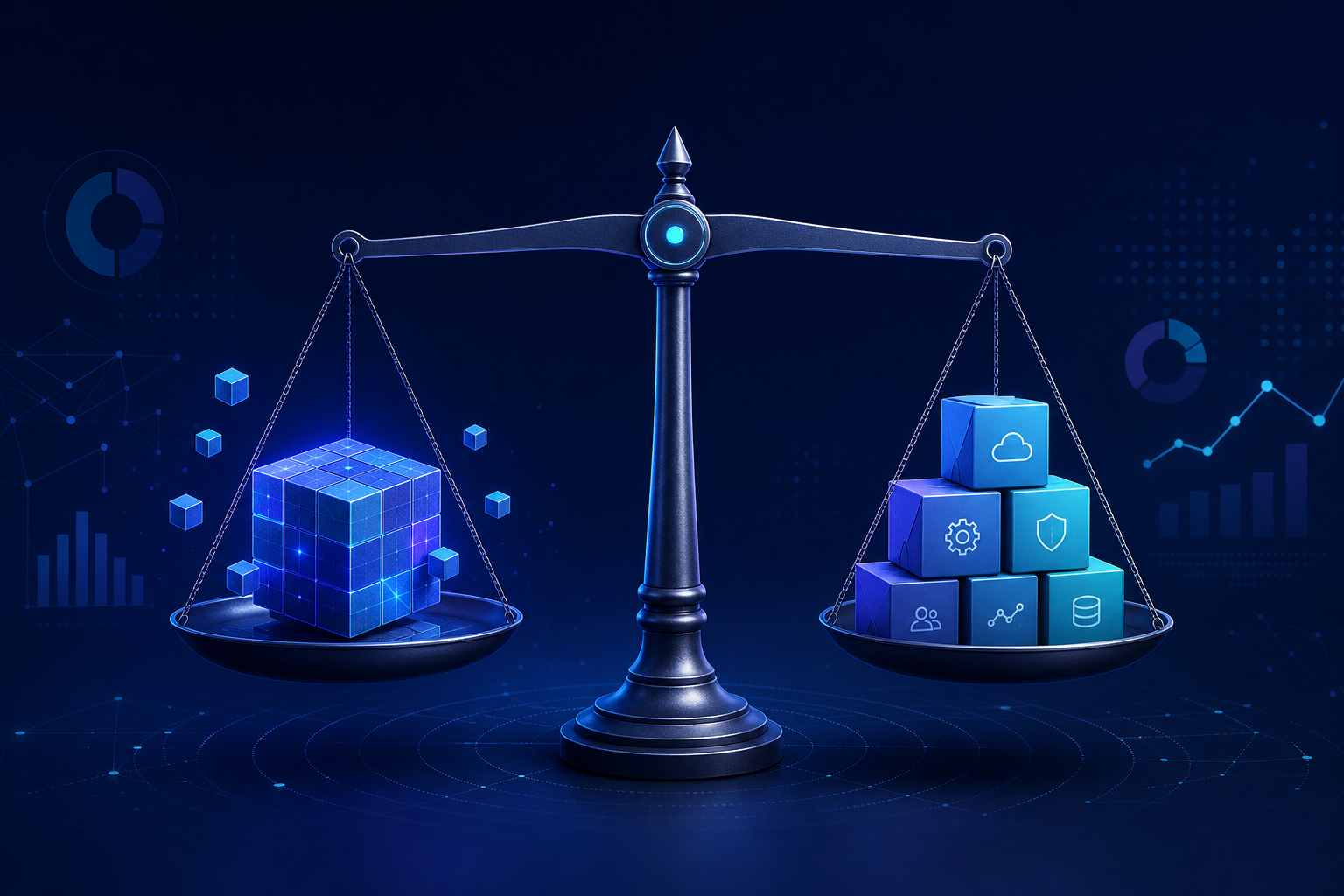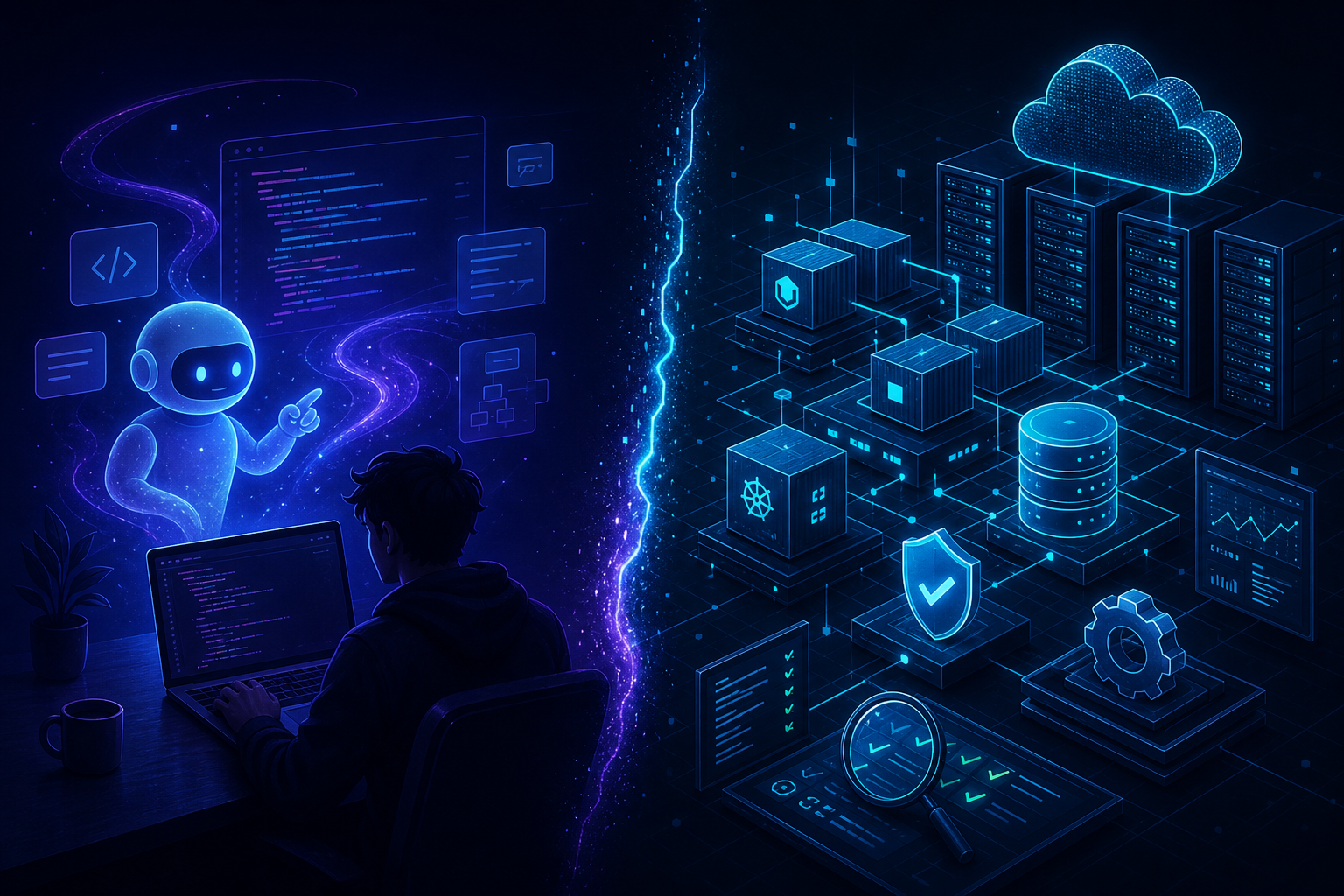
Vibe coding — using AI assistants to generate features from natural language — is the fastest way to demo an idea in 2026. It is also the fastest way to accumulate unmaintainable code if you confuse a prototype with a product your customers depend on.
Where vibe coding wins
- Hackathon demos and investor pitch prototypes.
- Internal tools with low blast radius.
- Exploring UX flows before committing to architecture.
- Boilerplate scaffolding — CRUD, forms, admin shells.
Where it breaks down
- Multi-tenant auth, billing, and permission models.
- Payment flows, ledger logic, and regulatory audit trails.
- Performance at scale — N+1 queries AI often introduces silently.
- Security — secrets in repos, missing input validation, SSRF holes.
The hybrid model smart teams use
Use AI assistants for speed inside a disciplined engineering process: code review, automated tests, staging environments, and architecture docs. The teams winning in 2026 are not anti-AI — they are anti-fragile. They vibe-code inside guardrails.
Founder rule
If your AI-generated MVP cannot pass a senior engineer's review in two hours, it is not ready for paying customers — no matter how good the demo looks.